Echocardiogram — See Your Heart in Motion
An echocardiogram uses ultrasound to create real-time moving images of your heart, helping your doctor evaluate heart function, valve performance, and blood flow — with zero radiation.
What Is an Echocardiogram?
An echocardiogram (often called an "echo") is a specialized ultrasound of the heart. It uses sound waves to produce real-time, moving images showing how your heart chambers and valves are functioning, how blood flows through your heart, and the overall strength of your heart muscle. It's the primary tool cardiologists use to evaluate heart health — completely non-invasive and radiation-free.
What Can Echocardiogram Diagnose?
- Heart valve problems (leaking or narrowing)
- Heart muscle weakness (cardiomyopathy)
- Congestive heart failure
- Heart murmurs
- Congenital heart defects
- Pericardial effusion (fluid around the heart)
- Blood clots in the heart
- Overall cardiac function assessment
How to Prepare for Your Echocardiogram
- 1No special preparation is needed for a standard echocardiogram
- 2Wear a comfortable, two-piece outfit (you'll undress from the waist up)
- 3You may eat and drink normally before the exam
- 4Continue taking all medications as prescribed
- 5Arrive 15 minutes early with insurance card and referral
What to Expect During Your Echocardiogram
Preparation
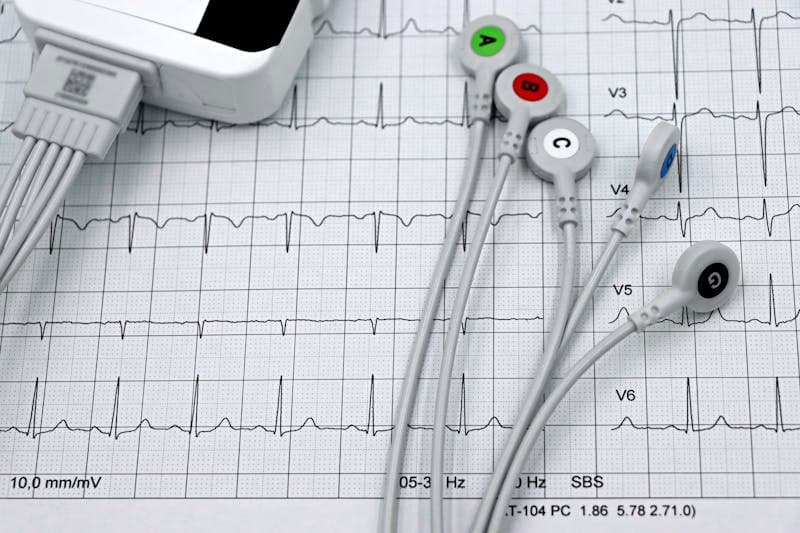
You'll change into a gown from the waist up. Small electrode stickers will be placed on your chest to monitor your heart rhythm during the exam.
The Echocardiogram
You'll lie on your left side. The sonographer applies warm gel to your chest and uses a transducer to capture images of your heart from several angles. You'll hear a "whooshing" sound — that's your blood flow being measured.
Doppler Assessment
Color Doppler technology maps blood flow direction and speed through your heart. This helps detect valve leaks, narrowing, and abnormal flow patterns.
After the Exam
Electrodes and gel are removed. Resume all normal activities immediately. Your cardiologist or physician will receive results within 48 hours.
Frequently Asked Questions
Ready to Schedule Your Echocardiogram?
Call us or book online. We'll get you scheduled quickly.